
How the transparent hood camera feature helps navigate deep snow
January 26 2026,
When winter storms blanket roads and parking lots in deep snow, one of the most stressful parts of driving becomes simply knowing where your front wheels are. Snowbanks hide curbs, buried obstacles lurk under fresh powder, and even experienced drivers find themselves second-guessing whether they can clear that ridge or if they're about to scrape the undercarriage. Mercedes-Benz addresses this visibility gap with an innovative camera-based feature called the "transparent hood" function, which uses the vehicle's 360-degree camera system to create a virtual view of the terrain directly beneath and in front of the vehicle.
For drivers in Ontario who regularly navigate snow-covered trails, unplowed cottage roads, or crowded winter parking lots, this technology transforms guesswork into confidence.
Understanding the Transparent Hood Technology
The transparent hood function relies on three cameras working in concert. The front-facing camera captures the area immediately ahead of the bumper, while the two exterior mirror cameras provide angled views of the ground on either side of the vehicle. Mercedes-Benz's onboard processing stitches these feeds together into a single, cohesive image that appears to show the road surface as if the hood were invisible.
The result is a bird's-eye perspective that lets drivers see exactly what lies beneath the front axle and several metres ahead, including terrain features that would otherwise be completely hidden by the vehicle's bodywork. This camera-based approach differs from simple front-view parking cameras by integrating side angles to create depth perception and spatial context.
The trajectory overlay adds a second layer of intelligence: coloured guide lines project the vehicle's intended path based on the current steering angle, updating in real time as the driver turns the wheel. When navigating a narrow gap between snowbanks or threading through a tight trail, these dynamic guides make it easy to judge whether the front wheels will clear an obstacle or if a correction is needed.
Why Deep Snow Demands Better Forward Visibility
Canadian winters create visibility challenges that go beyond icy windshields and blowing snow. Fresh snowfall can bury road edges, parking lot curbs, and driveway markers, leaving drivers to estimate where pavement ends and obstacles begin. Plowed snow piles up into tall banks that obscure sightlines at intersections and parking lot exits.
Unplowed cottage roads and rural trails hide ruts, rocks, and frozen debris under a deceptively smooth surface. Even short winter trips often involve low-speed manoeuvring through tight spaces where a few centimetres of clearance make the difference between smooth progress and a stuck vehicle.
The transparent hood function excels in these scenarios because it reveals exactly what the front wheels are about to encounter. When approaching a steep driveway crowned with a snow ridge, the camera view shows whether the front bumper will scrape or clear the crest. When parking in a snow-filled lot, the system displays the precise distance to the curb or snowbank, eliminating the need to inch forward and back while guessing.
On trails with deep ruts or frozen tire tracks, the view confirms whether the wheels will stay in the ruts or climb out, helping drivers maintain traction and avoid high-centring the vehicle.
Practical Applications for Ontario Winter Driving
In cities, winter parking lots become obstacle courses of snow piles, hidden curbs, and narrow cleared lanes. The camera view takes the guesswork out of pulling into tight spots, showing exactly where the front wheels will land and whether there's clearance for the bumper. At shopping centres and office complexes where snow removal is inconsistent, the system helps drivers avoid buried parking blocks and hidden curb edges that can damage wheels or suspension components.
On rural roads and cottage properties, the transparent hood function shines during low-speed off-road navigation. When driving up a snow-covered cottage driveway with a steep crest, the camera reveals the angle of the slope and the location of the peak, letting drivers judge whether they'll scrape the undercarriage or clear it cleanly.
On unplowed trails where deep snow hides rocks, stumps, and frozen ruts, the view confirms the path ahead is clear and shows whether the wheels are tracking straight or drifting toward an obstacle. For families who tow trailers or navigate narrow gates and turnarounds, the trajectory overlay provides precise steering guidance that eliminates trial-and-error manoeuvring.
The system also proves useful during spring thaw and freeze-thaw cycles, when melting snow creates deep puddles, slush pools, and hidden ice patches. The camera view shows water depth and surface texture, helping drivers decide whether to proceed or find an alternate route.
Activating and Using the Transparent Hood Function

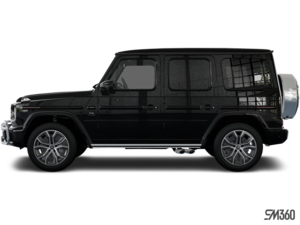
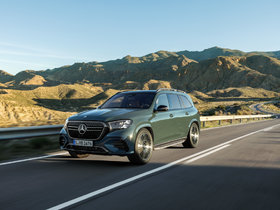
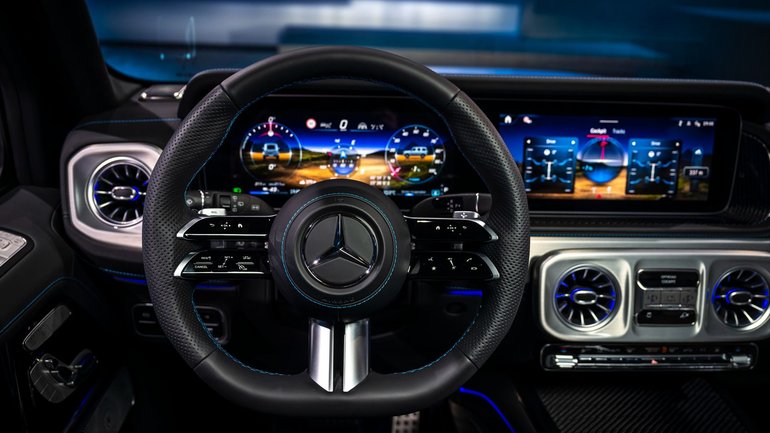
On Mercedes-Benz models equipped with the feature - including the 2026 GLC 300 4MATIC SUV, the G 580 with EQ Technology, and the G 550 - the transparent hood function is accessed through the OFFROAD menu in the central multimedia display or via a dedicated button on the off-road control centre. Activation is straightforward: drivers simply select the transparent hood icon, and the camera view appears on the screen.
The system works at low speeds, making it ideal for parking manoeuvres, trail navigation, and tight-space driving where precision matters most. Once active, the display shows the composite camera view with the trajectory overlay superimposed. The guide lines adjust dynamically as the driver steers, providing real-time feedback on where the front wheels will travel.
This makes it easy to align the vehicle with a narrow path, avoid obstacles just outside the normal field of vision, or position the wheels precisely in existing tire tracks. The view remains active as long as the driver needs it, and can be toggled off with a single button press when no longer required.
The transparent hood function integrates smoothly with other Mercedes-Benz winter-driving technologies. On models equipped with 4MATIC all-wheel drive, the camera view helps drivers position the vehicle for optimal traction before tackling a steep or slippery section. When combined with the PARKTRONIC system and 360-degree camera, it provides comprehensive situational awareness for complex manoeuvres in tight spaces.
Comparing Transparent Hood to Traditional Parking Cameras
Traditional front-view parking cameras offer a helpful but limited perspective. They show what's directly ahead of the bumper, which is useful for avoiding low obstacles and judging distance to walls or other vehicles. However, these cameras don't reveal what's happening beneath the vehicle or provide the spatial context needed to navigate uneven terrain.
The transparent hood function extends the view downward and outward, creating a virtual window through the hood and front axle area. This expanded perspective is particularly valuable when driving over crests, through deep ruts, or across uneven surfaces where the critical information lies not in front of the bumper but directly underfoot.
The trajectory overlay further distinguishes the transparent hood from basic parking cameras. While a static front view requires drivers to mentally calculate where the wheels will go as they steer, the dynamic guide lines show the exact path in real time. This reduces cognitive load and speeds decision-making, especially in stressful situations like navigating a crowded parking lot after a snowstorm or threading through a narrow trail with limited room for error.
Maintaining Camera Performance in Winter Conditions
Like all camera-based systems, the transparent hood function depends on clean, unobstructed lenses to deliver accurate images. Winter driving exposes cameras to road salt, slush, sand, and freezing spray, all of which can coat the lens and degrade image quality.
To ensure reliable performance, drivers should add camera cleaning to their pre-drive routine, wiping the front camera and mirror cameras with a soft cloth or glove and warm water. This simple step takes seconds and prevents the system from displaying a blurry or obscured view when it's needed most.
Mercedes-Benz designs camera housings to withstand harsh conditions, but ice buildup can still occur during prolonged exposure to freezing rain or blowing snow. If the transparent hood view appears foggy or shows streaks, a quick wipe with a de-icer or warm water usually restores clarity. Drivers should avoid using abrasive materials or harsh chemicals that could scratch the lens or damage the housing.
Real-World Benefits for Confident Winter Navigation
The transparent hood function delivers tangible benefits that go beyond convenience. By eliminating blind spots and revealing hidden obstacles, the system reduces the risk of vehicle damage and helps drivers maintain momentum in challenging conditions. When navigating a snow-covered trail, the ability to see exactly where the wheels will track means fewer surprises and less time spent backing up to correct a mistake.
In parking lots, the precise view of curbs and snowbanks prevents wheel damage and makes tight manoeuvres faster and less stressful. For families who use their Mercedes-Benz for winter recreation - cottage trips, ski weekends, or rural errands - the transparent hood function adds a layer of confidence that makes every drive smoother.
It transforms scenarios that once required multiple attempts and careful guesswork into straightforward, one-pass manoeuvres. The technology is particularly valuable for drivers who are new to off-road conditions or who occasionally venture onto unplowed roads and trails where visibility and precision are paramount.
Experience Mercedes-Benz Winter Technology
The transparent hood function forms one piece of Mercedes-Benz's comprehensive approach to winter driving, combining advanced camera systems, intelligent processing, and driver-focused design to deliver real-world capability. When paired with 4MATIC all-wheel drive, heated components, and terrain-specific drive programs, it creates a winter-driving package that addresses visibility, traction, and control in equal measure.
For drivers in Ontario who demand confidence and precision in deep snow, this camera-based innovation turns challenging conditions into manageable ones. Contact our team at Mercedes-Benz Ottawa Downtown to explore models equipped with the transparent hood function and learn how Mercedes-Benz technology enhances winter driving.